2026 Agenda

Agenda as of 7.13.2026. Check back often for updates!
Tuesday, September 8
-
4:00 pm — 6:00 pm
Check-in and Registration
-
4:00 pm — 6:00 pm
Exhibitor Move-In
Expo Hall, 3501 -
5:00 pm — 7:00 pm
Opening Night Reception
Populous Headquarters, 1400 Baltimore, Kansas CityKick off the 2026 CSEF Conference with the official Opening Night Reception, hosted by Populous at their brand-new headquarters in Kansas City. Spanning more than 100,000 square feet, the space features 21 practice areas, abundant collaborative spaces, and a vibrant mixed-media art program — making it a dynamic and welcoming setting to connect with fellow attendees before several days of industry insight and conversation. Join us as we gather together to set the tone for what promises to be an exceptional conference.

Wednesday, September 9
-
7:30 am — 5:45 pm
Check-in and Registration
-
8:00 am — 9:00 am
Networking Breakfast
Expo Hall, 3501 -
9:00 am — 12:00 pm
Facility Tours
Back by popular demand, we'll be kicking off the 2026 CSEF Conference with several concurrent facility tours on Day 1. Attendees can select to attend one of the multiple tours running at the same time — stay tuned for the full tour lineup!
-
9:00 am — 12:00 pm
Tour #1: CPKC Stadium
Join us for a guided tour of CPKC Stadium, recognized as the first stadium in the world designed specifically for a professional women’s soccer team. Transportation will be provided.
-
9:00 am — 12:00 pm
Tour #2: Booth Memorial Stadium and the Gateway District at the University of Kansas
Join us for a guided tour of David Booth Kansas Memorial Stadium, sports anchor of KU’s new Gateway District at the University of Kansas. Currently in Phase 2 of public-private partnership development, the Gateway District will offer multi-use facilities to be used throughout the year to generate revenue for academic programming and student success when complete. Transportation will be provided.
-
12:00 pm — 1:30 pm
Luncheon and Opening Session: FIFA World Cup Host City Leadership Panel - Delivering a Global Event at Scale
Ballroom 2501 CThis panel brings together senior leadership from FIFA World Cup host cities to share firsthand perspectives on what it takes to plan, deliver, and operate one of the world’s largest sporting events.
The discussion will go beyond planning to focus on end-to-end project delivery, including major venue preparations, stadium upgrades, infrastructure improvements, and renovations required to meet FIFA standards and global expectations. Panelists will also explore the coordination required across public and private partners to execute complex capital projects on accelerated timelines while maintaining day-to-day city operations.
Additional topics will include cross-sector collaboration, operational readiness, and citywide activation strategies, as well as the long-term legacy impact of these investments—ranging from economic development to enhanced community infrastructure and global visibility.
-
1:30 pm — 2:15 pm
From Venues to Vibrant Districts: The Evolution of Entertainment-Led Development
Ballroom 2501 CAs sports, entertainment and convention destinations evolve, the focus is shifting from standalone venues to integrated, experience-driven districts. The most successful developments connect brand, place and community to create destinations that generate economic, cultural and social value year-round. This conversation brings together leaders shaping global entertainment destinations at different stages of maturity – from ICC Sydney's decade-long evolution into an activated, experience-driven convention and entertainment destination, to the live entertainment-led vision of ocVIBE, a 100-acre mixed-use district designed to create Orange County’s new cultural and social center, to Salt Lake County's emerging sports, entertainment, culture and convention district anchored by the Delta Center. Together, the panel will explore how live entertainment, destination branding, civic partnerships and year-round activation are redefining the district model. They will discuss how successful districts unite venue and place brands, deepen connections with visitors and residents, unlock new revenue opportunities and create lasting value for communities.
-
2:30 pm — 3:00 pm
Afternoon Keynote: Mayor Christal E. Watson
Ballroom 2501 C -
3:00 pm — 3:30 pm
Networking Break
Expo Hall, 3501 -
3:30 pm — 4:15 pm
Explore & Exchange Insights
-
3:30 pm — 4:15 pm
The Gateway Blueprint: Reimagining Campus Infrastructure through the KU Gateway Phase 2
Ballroom 2501 CGo behind the scenes of the transformative Phase 2 of the University of Kansas Gateway District and David Booth Kansas Memorial Stadium. This panel delves into the project’s evolution from a bold vision to a complex, multi-asset reality. We will explore the creative financing solutions and strategic public-private partnerships that made the deal possible while examining the core objectives of enhancing student life and catalyzing regional economic growth. Attendees will discover how the project’s unique delivery model serves as a scalable roadmap for universities navigating the hurdles of funding and executing complex, high-impact campus infrastructure.
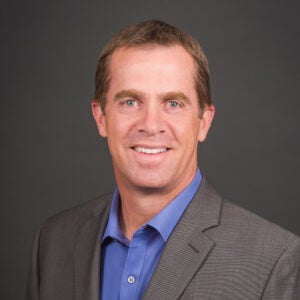
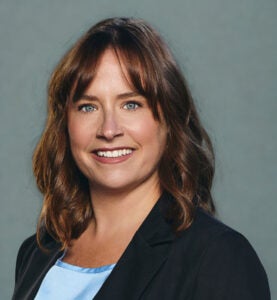
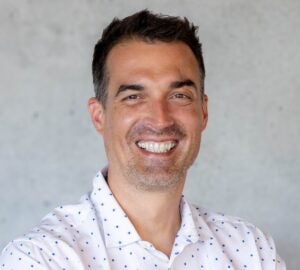
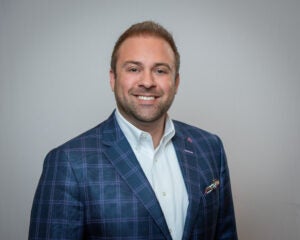
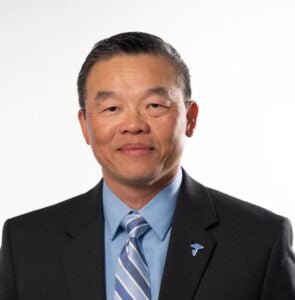
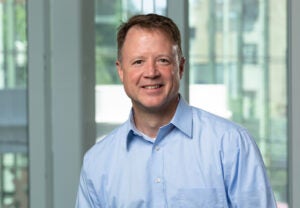 Dan MoylanDevelopment DirectorEdgemoor Infrastructure & Real EstateModerator
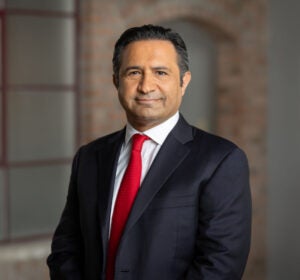
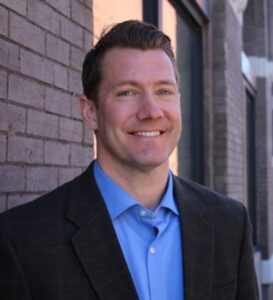 Banks FloodmanPartner/Director of Real Estate DevelopmentSunflower Development Group
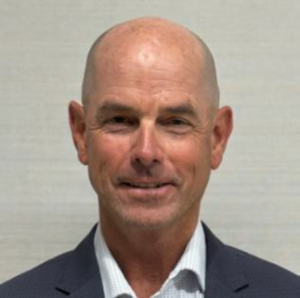
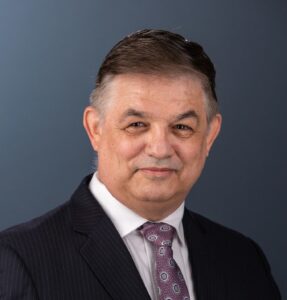 Jeff DeWittChief Financial Officer & Senior Vice ChancellorUniversity of Kansas
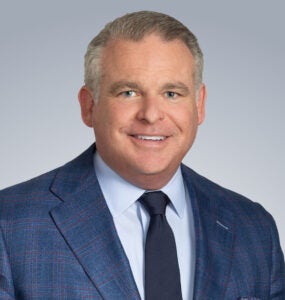
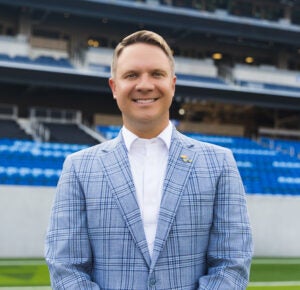 Travis GoffDirector of Athletics/Vice ChancellorUniversity of Kansas
 -
3:30 pm — 4:15 pm
Designing for Sustainability, Reliability & Flexibility: The KC Stadium Model
Ballroom 2505 ACPKC Stadium—home to the Kansas City Current—is the world’s first stadium purpose-built for a professional women’s sports team. Designed to reflect the spirit and energy of Kansas City, the 11,500-seat venue sets a new benchmark for sustainable performance while creating an athlete-centered, inclusive fan experience.
This session explores how the project team achieved LEED Gold certification through a deliberate focus on energy strategy, system reliability, and long-term operational efficiency. It will examine how evolving codes and standards, “Critical to Quality” considerations, and stakeholder priorities informed key infrastructure decisions—particularly around on-site power generation and the transition to natural gas solutions to enhance resilience, reduce environmental impact, and support continuous operations.
From concept to completion, this case study demonstrates how forward-thinking energy design can support both sustainability goals and a world-class experience in next-generation sports venues.
-
4:15 pm — 4:45 pm
Creating & Growing Youth Sports Destinations for Today and Tomorrow
Ballroom 2501 CAs youth sports continue to drive tourism, community development, and economic impact, destinations must evolve to meet rising expectations from athletes, families, and organizers. This session will explore what it takes to plan, develop, and sustain successful youth sports facilities—balancing community needs with long-term growth strategies. Guided by experienced industry leadership from Ice Miller, the discussion will bring together perspectives from the public and private sectors, including municipal leadership and development experts, to share insights on partnerships, funding models, and designing destinations built for the future.
-
4:45 pm — 5:30 pm
What’s Next for Sports & Entertainment Districts in Kansas City
Kansas City is widely recognized as the sports architecture capital of the world, with a long legacy of landmark venues and a current wave of transformative investment in sports and entertainment districts. This session will bring together key stakeholders to explore how the city’s identity as a national leader in the intersection of sports, design, and urban development are reshaping the region, offering insight into how these districts are being planned, delivered, and activated. Hear perspectives from city leadership, major professional sports franchises, district developers/operators, and design and architecture partners on the major forces, projects, and partnerships driving investment and transformation in Kansas City.
-
6:00 pm — 8:00 pm
Marquee Mixer – Kansas City Power & Light District
Join us for a fun evening bar crawl through a variety of unique restaurants in the Kansas City Power & Light District while networking with industry peers. Stay tuned for exciting announcements about the featured venues, special experiences, and entertainment planned throughout the evening.












Thursday, September 10
-
7:30 am — 3:30 pm
Check-in and Registration
-
8:00 am — 9:00 am
Public Sector Breakfast Workshop: Top Ten Things to Consider When Procuring Professional or Vendor Services - These tips will save you time and money
Ballroom 2504 AFor CSEF venues, some of the most important project decisions happen after the request for proposals (RFP) is issued. However, careful and strategic planning before the RFP can reduce risks, improve procurement efficiency and save potentially months of negotiations.
This panel will give owners, public agencies, and project stakeholders a chance to talk through structuring an efficient and effective RFP and the expected and achieved results. The panel will provide tips from their various professional perspective on what happens next, from reviewing qualifications and building a shortlist to interviews, scoring, and final selection.
The discussion will focus on real-world challenges that come up on venue developments, expansions, and redevelopments. Participants will also share common pitfalls, including vague evaluation criteria, too much emphasis on name recognition, and interview formats that do not reflect the real demands of the project. Attendees will leave with practical ideas, lessons learned, and better questions to ask when selecting advisers and consultants for major venue projects.
Advanced Registration Required - Open to Public Sector Attendees Only.
 David O’NealCo-founder and Vice PresidentConventional Wisdom Corp.Moderator
 Jordan MillerResident ManagerRider Levett Bucknall
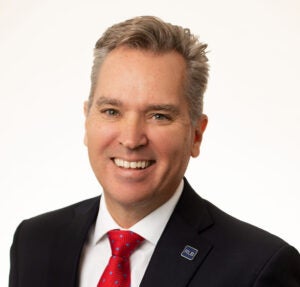 Scott SumnersExecutive Vice PresidentRider Levett Bucknall
 Seth MerewitzPartnerBest Best & Krieger LLP
 Trisha TatroPrincipalConventional Wisdom Corp.
 -
8:00 am — 9:00 am
Networking Breakfast
Expo Hall, 3501 -
9:00 am — 9:45 am
Morning Plenary
Ballroom 2501 C -
9:45 am — 10:15 am
Networking Break
Expo Hall, 3501 -
10:15 am — 11:15 am
Concurrent Sessions
-
10:15 am — 11:15 am
Architainment Principles within Sports Venue Environments
Ballroom 2501 CWhile various forms of “architainment” have been introduced in convention and stadium environments in the past, the technological breakthroughs in the lighting world over the last 25+ years have allowed this concept to flourish and are now an essential part of the built experience. As with any tool in the realm of architecture or lighting, wielding this conceptual idea can be applied inappropriately or even lead to visual noise or visual disability if not properly controlled and integrated into the architectural fabric. And while this concept has been on the fringes of architecture and lighting for quite some time, the technology associated with this, especially in the forms of control methods and logic, has been more difficult to implement. Often the tilt of “architainment”, by its sheer nature and description, begins to lean toward the side of the equation dealing with entertainment. Looking at lighting design “architainment” , however, that favors the architectural side versus the more technologically driven theatrical side can allow this concept to be implemented in almost every spatial application. It can therefore reside in non-traditional architectural environments, support alternative visual conditions, all while addressing issue of maintenance and seamless operation and function of the building. As both a science and art, “architainment” lighting design has the unique ability to manipulate spatial characteristics of architecture that other forms of lighting design can leave flat and generic in environments that demand more attention.
Learning objectives:
- Define “architainment” as expressed in the world of lighting design and how it can be created and effectively utilized.
- Illustrate the means and methods of “architaiment” lighting design principles to generate unique visual conditions.
- Offer brief explanation of the technology, from actual lighting equipment to the more critical control methods and DMX dimming protocol, that allow this concept to be part of the visual experience.
- Provide the design tools to apply “architainment” lighting to environments beyond the usual fan experiences and allow this expression to weave itself into athletic performance areas and even non-traditional spaces to expand the boundaries of creativity.
-
10:15 am — 11:15 am
Facilities Matter: Leading Collegiate Stadium Renovation in a New Era
Ballroom 2505 AIn today’s rapidly evolving collegiate athletics landscape, shaped by NIL, transfer portals, revenue sharing, and regulatory change, one truth remains clear: facilities matter. Stadiums are strategic assets that drive revenue, enhance fan and donor engagement, and reinforce institutional identity while supporting the broader mission of the university.
This session brings together the owner, architect, and contractor behind the University of Missouri’s Memorial Stadium Centennial Project, a transformative SEC renovation reimagining a 100‑year‑old venue for the next generation of student-athletes and fans. The project centers on a new multi-level North Concourse totaling approximately 191,000 square feet, including nearly 99,000 square feet of enclosed, climate-controlled space. The new structure introduces expanded premium seating, upgraded concessions and restrooms, and a new entry plaza that significantly enhances the fan arrival and circulation experience.
Using Memorial Stadium as a case study, the panel will explore key trends in stadium modernization, including neighborhood seating concepts and premium offerings such as field-level open-air suites, loge boxes, club seating, and outdoor “Tiger Den” patio boxes. Two new club spaces anchor the project: a Rock M Club built beneath the historic Rock M Hill and a Mezzanine Club, together accommodating more than 800 guests and strengthening donor and alumni engagement.
The discussion will also highlight construction execution in a live campus environment, including phased delivery through football seasons, structural repairs, technology upgrades, and renovations across the existing bowl. Attendees will gain practical insight into how collaborative planning and disciplined construction execution can transform a historic stadium into a competitive advantage and a catalyst for future campus growth.
 Allen SchmidtArchitecture LeaderDLR Group
 Joe SwansonVice PresidentThe Whiting-Turner Contracting Company
 Joel McPheeProject ManagerThe Whiting-Turner Contracting Company
 Joseph SwingleExecutive Athletics Director / Chief Infrastructure OfficerUniversity of Missouri
 Justin ZehVice President of Field OperationsThe Whiting-Turner Contracting Company
 Nick BrittonConstruction Project ManagerUniversity of Missouri
 Ryan FreelandSenior Associate and Sports Design LeadDLR Group
 -
10:15 am — 11:15 am
The Next Generation Live of Live Entertainment Venues
Ballroom 2504 ALive entertainment venues are undergoing a period of unprecedented transformation. This new wave of purpose-built music arenas and large indoor entertainment facilities is redefining expectations for fans, artists, operators, and developers. As demand for live experiences continues to grow, venues are evolving beyond event spaces into year-round entertainment destinations that prioritize immersive experiences, operational flexibility, technology integration, and long-term financial resilience.
This panel will bring together leaders in venue development, planning, design, and operations to examine the forces driving the next generation of live entertainment facilities. Through insights from recently completed projects and venues currently in development, panelists will discuss how the industry is responding to changing audience behaviors, artist expectations, and evolving business models. Attendees will gain practical insights into the trends and strategies shaping the future of live entertainment venues and what they mean for the next generation of projects and development models.
-
11:30 am — 12:30 pm
Concurrent Sessions
-
11:30 am — 12:30 pm
From Vision to Venue: Infrastructure Lessons from LA28 and the Future of Olympic-Scale Delivery
Ballroom 2505 AThe 2028 Summer Olympics in Los Angeles represent one of the most ambitious public-private infrastructure undertakings in recent history — and a rare opportunity to examine how major sporting events reshape the built environment for decades to come. This session brings together public officials, venue operators, developers, and financiers to explore the planning, financing, and delivery models powering LA28's stadium and arena strategy, including the innovative use of existing world-class venues. Panelists will dig into how host cities structure public-private partnerships for Olympic-scale projects, navigate community and economic development considerations, and position facilities for long-term operational success after the torch goes out. Attendees will leave with actionable insights on how the Olympic model is influencing the next generation of sports and entertainment facility development.
-
11:30 am — 12:30 pm
From Deal to Delivery: Structuring the Right Team for a Next-Generation Stadium
Ballroom 2504 ADelivering a modern NFL stadium demands excellence across three disciplines working in concert: visionary design, rigorous technical execution, and strong owner leadership. Using the new Tennessee Titans Stadium as a case study, this panel brings together key voices from ownership, design, and delivery to unpack the critical decisions that shape a project from procurement through opening day.
Attendees will gain an inside look at how the project team built a collaborative framework that balanced creative ambition with buildable reality and budget discipline. The discussion gives equal weight to three interdependent roles: the design architect, the architect of record (AOR), and owner executive oversight, exploring how each contributes uniquely to project success and where their responsibilities intersect, overlap, and depend on one another.
-
11:30 am — 12:30 pm
From Meeting Space to Economic Engine: How Convention Centers Power Urban Districts and Global Events
Ballroom 2501 CModern convention centers are no longer standalone venues—they function as integrated components of urban ecosystems that support year-round economic activity while reinforcing a city’s brand and global competitiveness. As cities become denser and more constrained, convention centers must evolve through integrated district planning, flexible programming, vertical construction and thoughtful execution strategies that maximize value without simply expanding footprints.
Using the Los Angeles Convention Center (LACC) Expansion and Modernization as a primary case study, this panel examines how large-scale convention facilities can serve as continuous economic engines in dense urban environments. Panelists from the project team, including representatives from the PCL–Webcor Joint Venture, will share how design and delivery strategies are enabling LACC to support downtown Los Angeles hotels, restaurants and businesses throughout the year—driving sustained business travel, tourism and daily activation beyond major event cycles.
These strategies not only enhance LACC’s ability to host a broad range of conventions and events but also position the facility to accommodate large scale global events—such as the 2028 Olympic and Paralympic Games—without compromising its long-term role as a reliable, year-round economic anchor.
Beyond the specifics of Los Angeles, the panel will highlight lessons that are broadly applicable to similar projects and regions facing space constraints, evolving market demands, and the need for convention centers that deliver lasting urban and economic value. Attendees will gain practical insights into how planning, design and execution decisions can transform convention centers from meeting spaces into resilient drivers of urban vitality. -
12:30 pm — 1:30 pm
Lunch and Fireside Chat
Ballroom 2501 CStay tuned for updates!
-
1:30 pm — 2:30 pm
Concurrent Sessions
-
1:30 pm — 2:30 pm
Building Austin’s Future: Delivering a Convention Center as an Economic and Civic Catalyst
Ballroom 2501 CAustin is one of the fastest-growing cities in the United States, and the redevelopment of the Austin Convention Center reflects a broader shift in how convention centers are expected to perform. The project repositions the facility as an integrated part of the city, reconnecting the urban fabric and enhancing event capacity. It also strengthens Austin’s ability to attract major events, extend visitor stays, and drive sustained economic activity. This session demonstrates how design, planning, and civic ambition can align to elevate a convention center’s role as both a community asset and an economic catalyst.
This panel brings together the client, design, and construction leadership behind the project. Panelists will highlight the key moves shaping the redevelopment and offer a direct look at execution. Topics will span urban integration, outdoor event spaces, and the project’s ambition to become the world's first ILFI Zero Carbon–certified convention center. The discussion will focus on how a highly coordinated team, clear priorities, and strong collaboration have kept the project on track, maintaining alignment from vision through implementation.
Attendees will gain practical insights into what drives successful large-scale convention center projects, including how to balance vision with operational realities, structure effective cross-disciplinary collaboration, and leverage civic infrastructure to reconnect neighborhoods and enhance the public realm.
-
1:30 pm — 2:30 pm
Beyond Opening Day: How Venue Operators Turn Great Facilities into Lasting Community Assets
Ballroom 2505 AThe ribbon cutting is just the beginning — and the decisions made long before it often determine whether a venue thrives or struggles. Experienced venue managers will share candid insights on what drives — and what undermines — a facility's long-term economic performance from the inside out, including how booking strategies, revenue diversification, event mix, and community programming keep venues financially healthy and locally relevant. Attendees will walk away with practical lessons on how early and ongoing collaboration between developers, designers, and operators creates facilities that consistently deliver for owners, visitors, and the surrounding economy.
-
1:30 pm — 2:30 pm
Concurrent Session
Ballroom 2504 AStay tuned for exciting updates!
-
2:45 pm — 3:30 pm
Closing Session
Ballroom 2501 C -
3:30 pm
Conference Ends & Exhibitor Breakdown